


Making sense of the air we breathe: Nakuru's air quality charter takes shape!
Since July 2025, a growing network of air-quality sensors has been quietly documenting the atmosphere of Nakuru. Today, twenty-two RESPIRA-AQM Nakuru sensors operate across the city, with at least two in every ward, alongside five sensors managed by the Stockholm Environment Institute (SEI). Through a collaboration with the University of Nairobi, another five sensors will soon join the network. Every few minutes, these sensors record air-quality measurements, which are cleaned, gap-filled, and uploaded to a public dashboard. Through the AngaWatch app, residents contribute what the sensors cannot capture, reporting pollution incidents and sharing their own experiences of the city’s air.
Together, this amounts to thirteen months of evidence about what Nakuruans breathe.
The more difficult question now is not how to generate even more data, but what a city does with it—and who gets to decide what happens next.

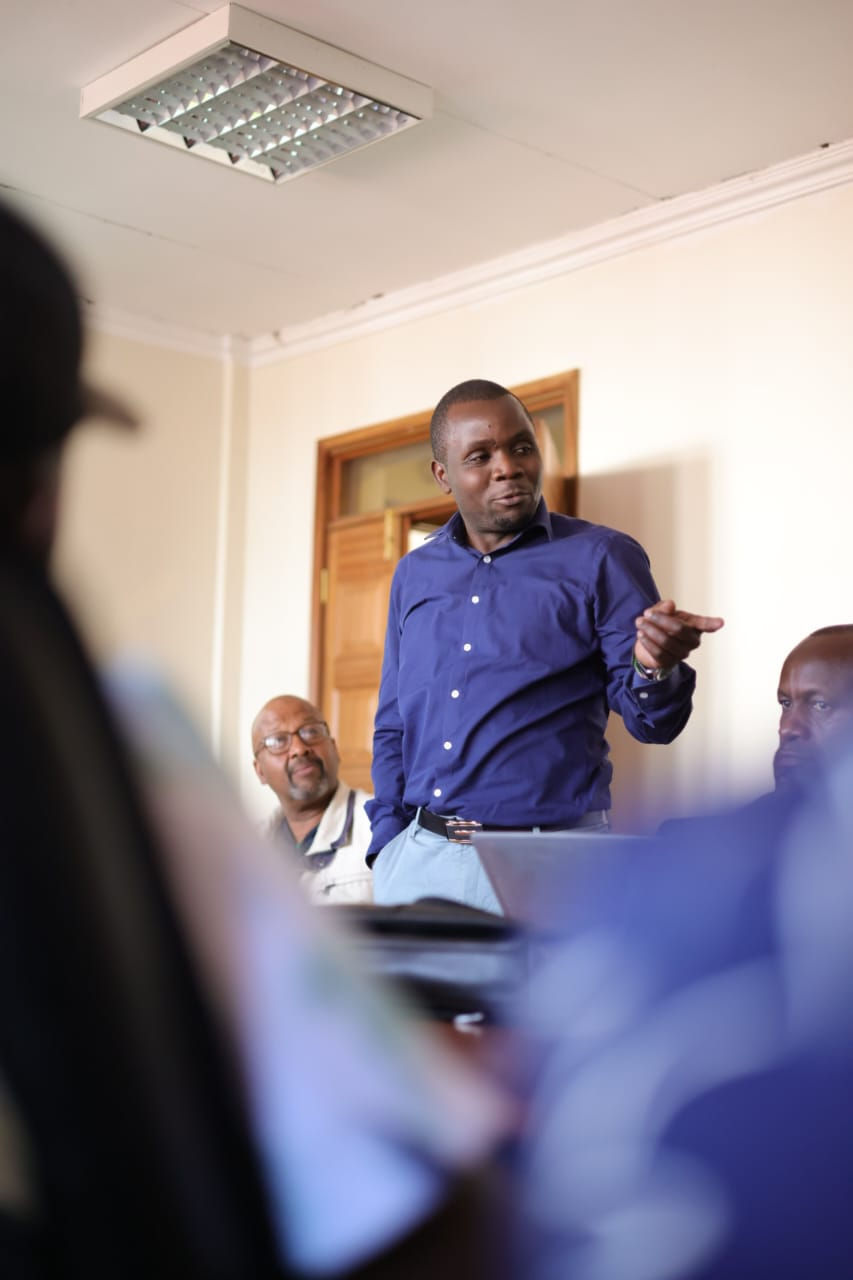
From Monday 24 to Thursday 27 August, RESPIRA will bring that question to Egerton University for a four-day sense-making workshop. Ward ambassadors, students, health practitioners, traders, urban planners, journalists, county and city officials, researchers, and representatives from the Kenya Meteorological Department will spend four days working through the evidence together, making sense of what the data really means, and what should follow from it.
Sense-making begins from the assumption that evidence only becomes meaningful through collective interpretation. The workshop therefore treats sensor measurements, lived experience, institutional expertise, and everyday knowledge as different but equally important ways of understanding air quality.
The first day will begin with positionality. Participants introduce themselves through their relationship with air quality. A trader working beside a congested road encounters pollution differently from a clinician treating respiratory illness, an urban planner, or a ward ambassador documenting community concerns. Each perspective captures something that the others cannot. During the afternoon, participants visit the Kenya Meteorological Department to understand how weather forecasting works and to explore how air-quality forecasting will become part of existing systems.
The second day turns to the data itself and marks the launch of RESPIRA-AQM Nakuru’s forecasting work. Using the measurements collected over the past year, AI and machine-learning models are now beginning to predict what the city’s air is likely to do next. Joshua Musau, RESPIRA’s data scientist, will guide participants through the dashboard, explain how the different data streams come together, and introduce the early-warning components currently under development. The exercise then reverses direction. Working in mixed groups, participants examine printed maps and visualisations, translating technical graphs into everyday language while identifying which ways of presenting data communicate clearly—and which do not. During the afternoon, attention shifts from numbers to narratives. Together with Voices That Count and the HIVA Research Institute for Work and Society (KU Leuven), participants work through anonymised stories collected across Nakuru, asking whose experiences are represented, whose remain absent, and what those stories reveal that the sensors cannot.
The third day shifts attention from evidence to governance. Dr Fred Muita explores what the Kenya Meteorological Department would require to integrate air-quality indicators into its routine forecasting systems. Alicia from Sensors.AFRICA maps the institutions and actors whose decisions shape the city’s air—from transport and waste management to urban planning, health, and industry. Cynthia Sitati from the Stockholm Environment Institute facilitates discussions on how community-generated evidence can move beyond research and become part of policy and decision-making.
The final day asks participants to turn four days of discussion into commitments. Working in thematic groups, they will draft the Nakuru Air Quality and Justice Charter: a shared document that identifies priorities, clarifies roles and responsibilities, establishes feedback mechanisms, and invites institutions to commit to concrete actions over the next six to twelve months.
That is ultimately what this week is about. A report can describe research findings. A charter, however, asks people to take responsibility for acting on them. The sensors have already shown us what Nakuruans breathe. This week, the question is what the city chooses to do next.
RESPIRA-AQM Nakuru is part of the RESPIRA Africa project, implemented by Egerton University, KU Leuven, the Kenya Meteorological Department, Sensors.AFRICA, the Stockholm Environment Institute, Nakuru County Government, and Nakuru City, with funding from the Government of Flanders through the Flanders International Climate Action Programme. More information here


Comments